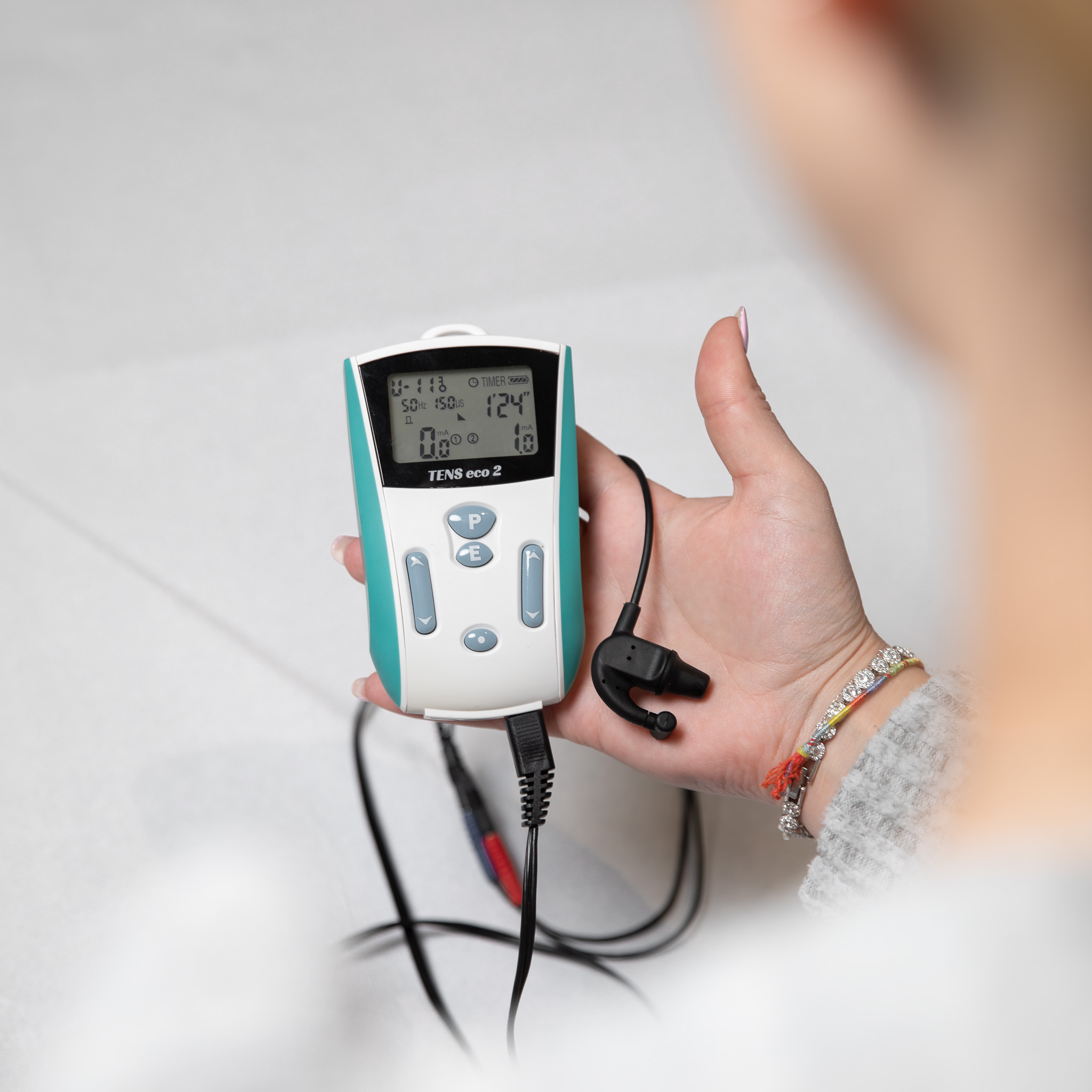
Auricular vagus nerve stimulation: Regulating the nervous system for pain therapy
Auricular vagus nerve stimulation is a modern form of therapy that specifically influences the autonomic nervous system. By stimulating the vagus nerve via the ear, pain can be reduced, stress regulated, and inflammatory processes influenced.
At Dolomed, we use this method as part of an interdisciplinary approach to treating complex pain syndromes.
The vagus nerve is a central component of the nervous system and plays an important role in regulating organ functions, stress, and pain processing.
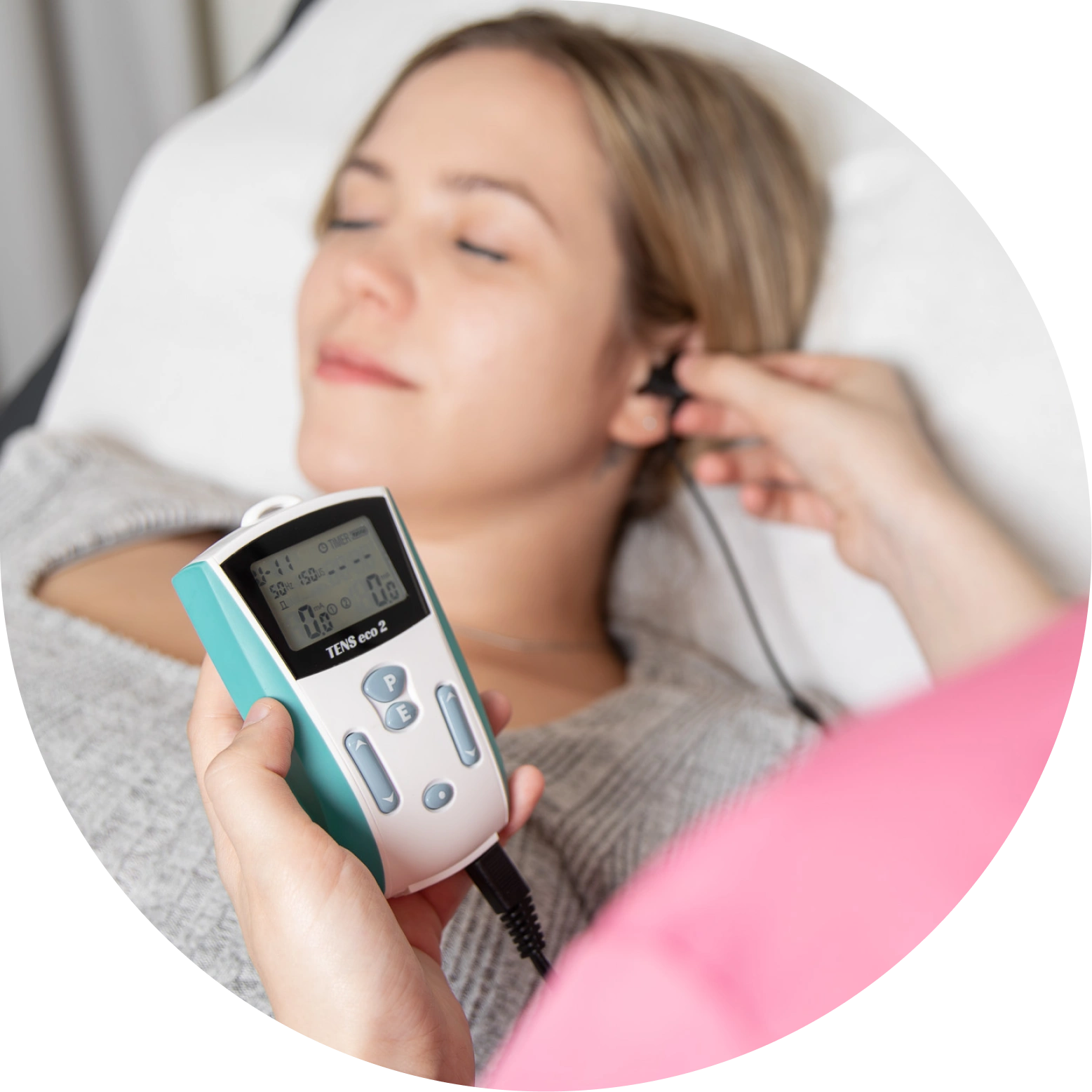
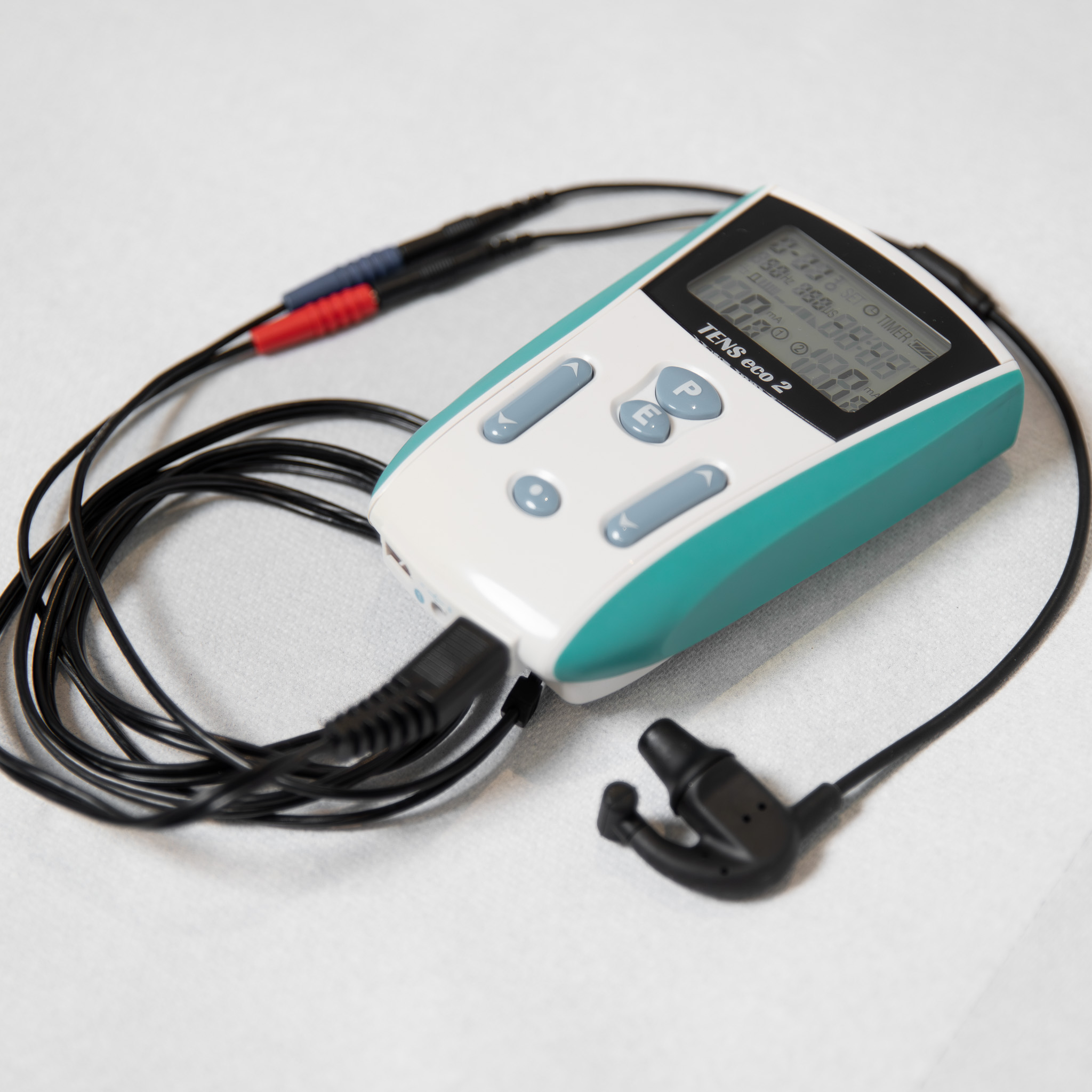
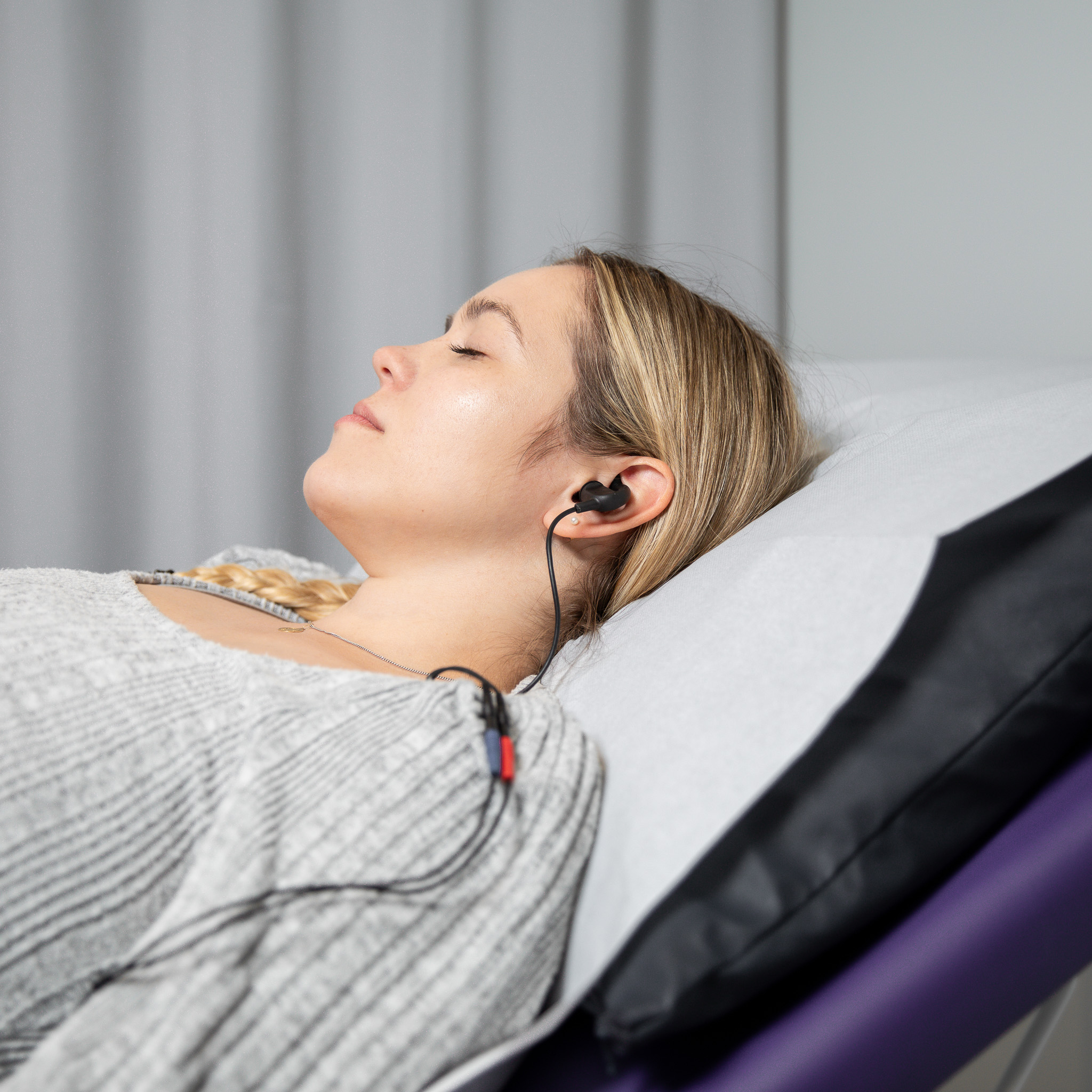
Using special electrodes on the ear, this nerve can be stimulated in a targeted way, influencing the body’s entire regulatory system.
Vagus nerve stimulation for chronic pain
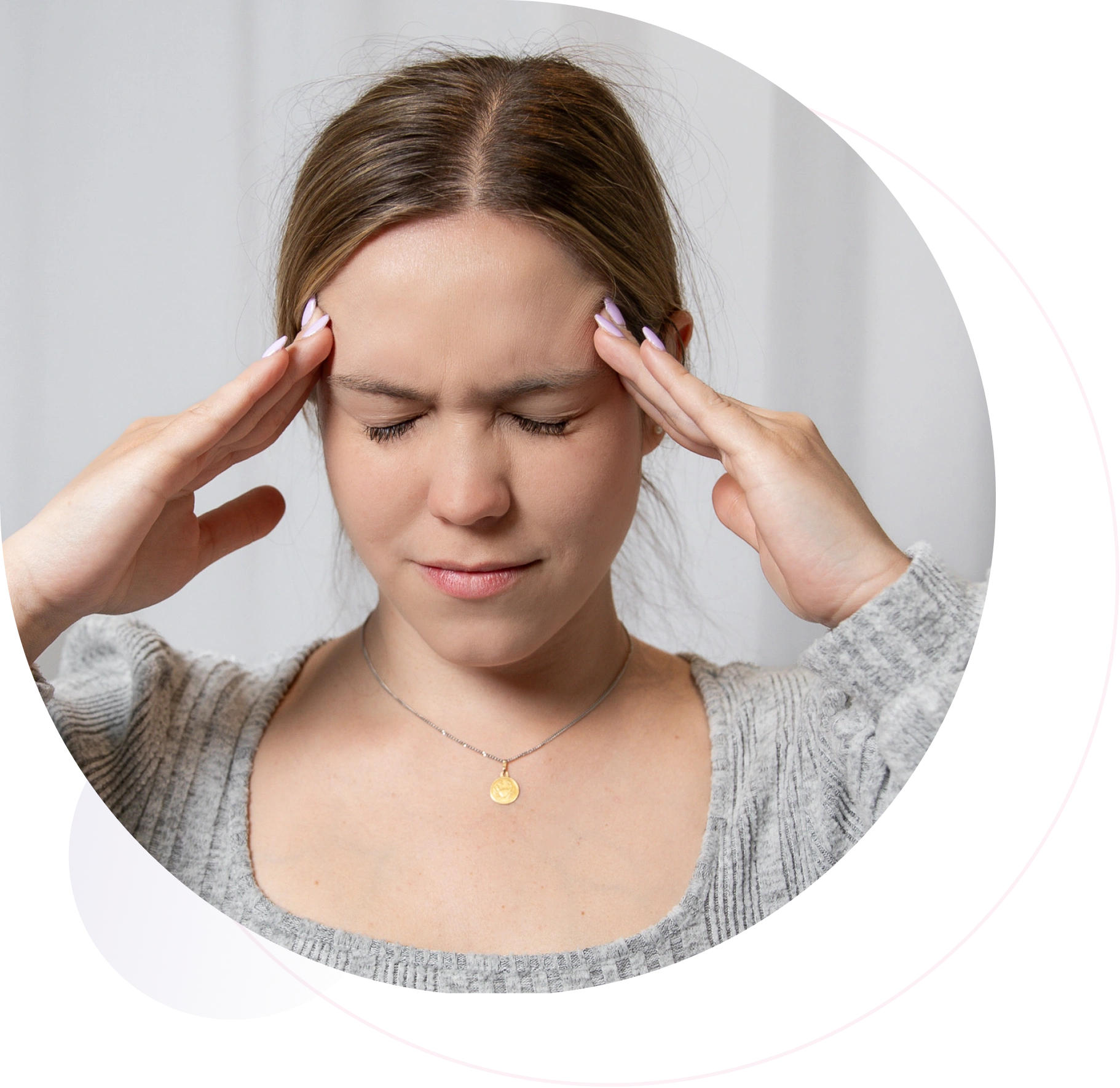
Chronic pain is often associated with dysregulation of the nervous system. Vagus nerve stimulation targets exactly this.
Benefits for chronic pain:
Modulation of central pain processing
Reduction of pain sensitivity
Improved physical regulation
Support for other forms of therapy
Vagus nerve stimulation for stress and exhaustion
The therapy can also have a stabilizing effect in cases of stress and fatigue.
Benefits for stress and exhaustion:
Improved stress regulation
Promotes relaxation
Stabilization of the autonomic nervous system
Supports recovery
Other areas of application for vagus nerve stimulation
Functional complaints: Regulation of the nervous system
Sleep disorders: Improved sleep quality
Chronic inflammation: Influence on inflammatory processes
Psychosomatic complaints: holistic stabilization
How a treatment works
1. Medical history and diagnostics: Assessment of symptoms
2. Placement of the electrodes: on the ear
3. Stimulation: targeted activation of the vagus nerve
4. Progress monitoring: Adjustment of the therapy
Conclusion
Auricular vagus nerve stimulation is an innovative and effective method for regulating the nervous system. It can sustainably help improve quality of life for chronic pain, stress, and functional complaints.